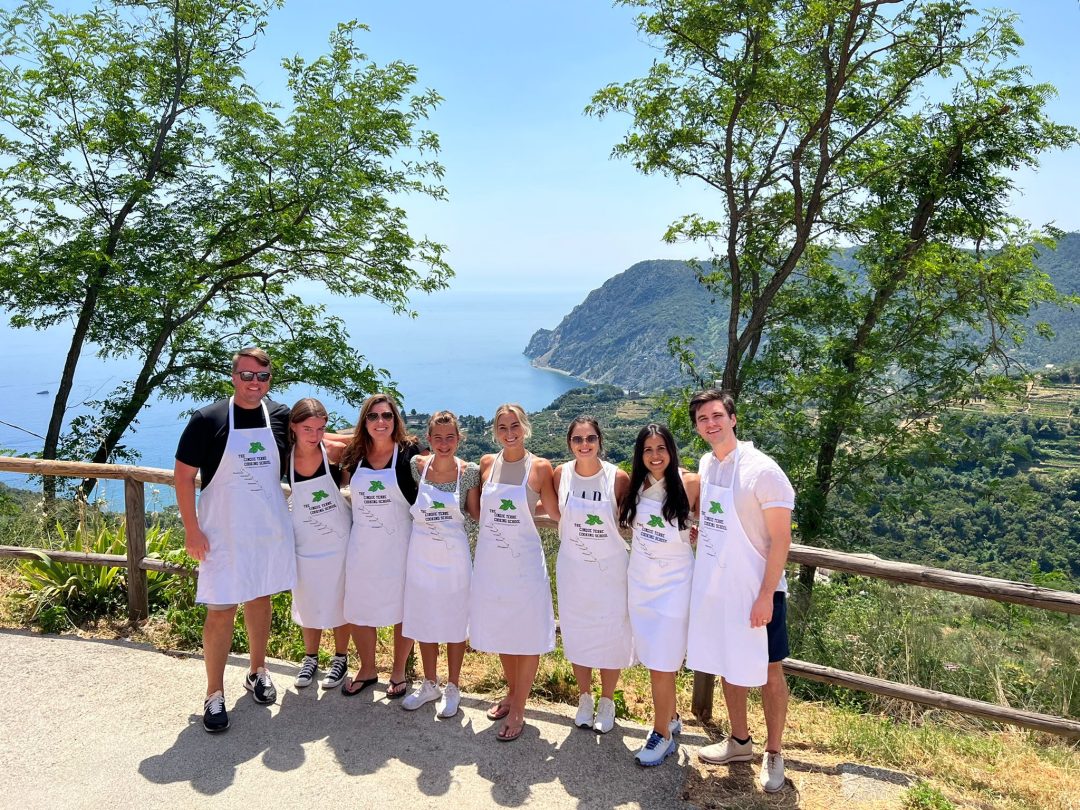
1 hr 30 min
Pesto Workshop with Wine & Local Flavors in Cinque Terre
- Entry ticket
- Mobile voucher
- Valid same day
- Free cancellation
Cooking Classes In Cinque Terre — Pesto, Pasta & Ligurian Kitchens
Mortar, marble and basil, then the sea beneath the window.
Compare fares, pick the fit — all bookings are mobile-voucher and eligible for free cancellation where shown.
1 hr 30 min
3 hr
2 hr
| Experience | Duration | Rating | Transfers | Lunch | Small group | Free cancel. | Price | |
|---|---|---|---|---|---|---|---|---|
|
Standard Entry
Most popular
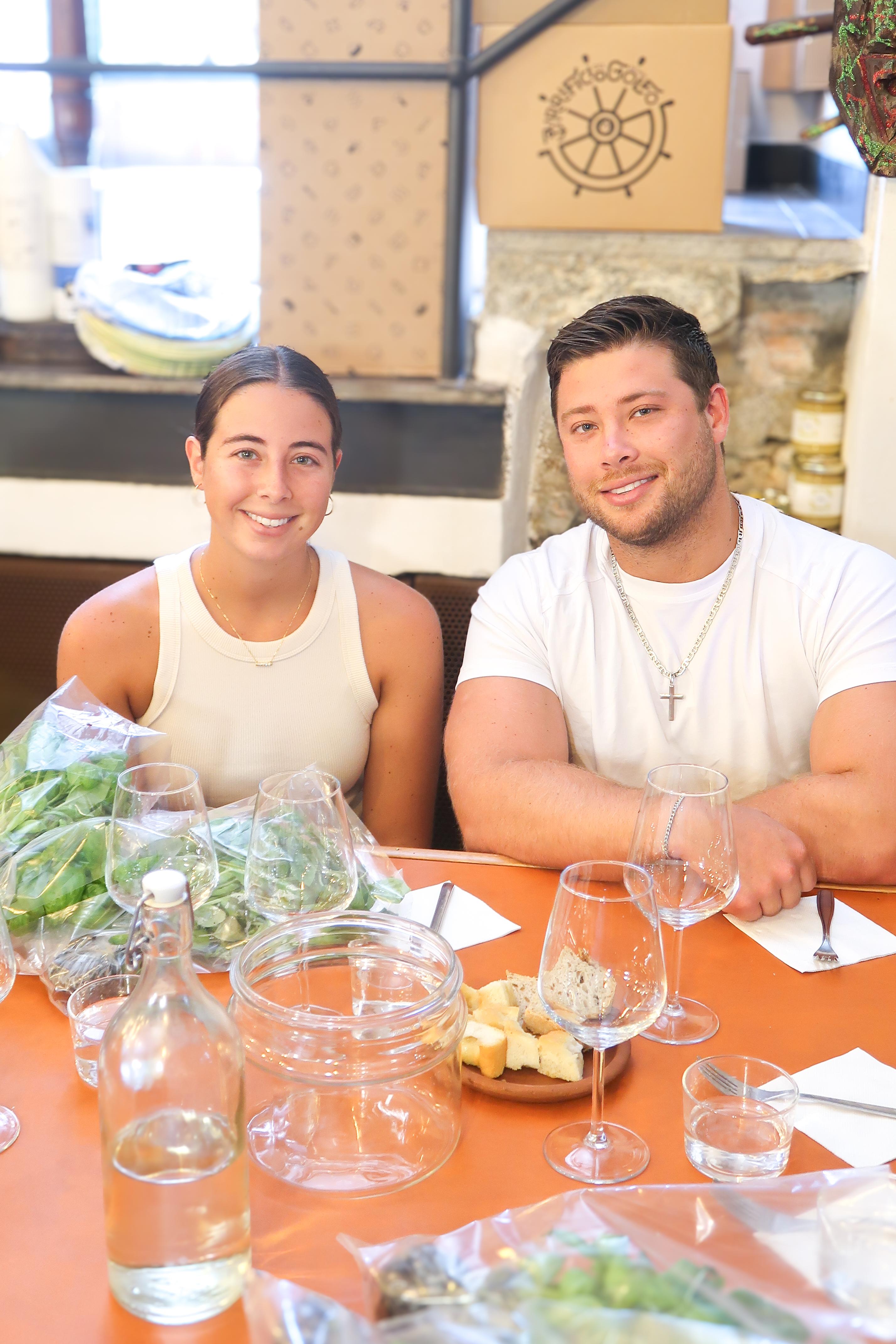
Pesto Workshop with Wine & Local Flavors in Cinque Terre
|
1 hr 30 min | ★ 4.8 | — | ✓ | — | ✓ | €59 | Book → |
|
Standard Entry
Ligurian Pasta & Pesto Workshop in Levanto
|
3 hr | ★ 5.0 | ✓ | — | ✓ | ✓ | €100 | Book → |
|
Standard Entry
Wine Tasting & Pesto Workshop at BarCa Winery
|
2 hr | ★ 4.8 | — | — | ✓ | ✓ | €62 | Book → |
Worth it for hands-on cooks, skippable for casual diners
A trattoria dinner in Vernazza or Monterosso buys you one plate; cooking classes in cinque terre buy you the method behind it. Across the bookable inventory — the Pesto Workshop with Wine & Local Flavors, the Ligurian Pasta & Pesto Workshop in Levanto, the BarCa Winery wine tasting pairing, and the Riomaggiore pasta, gnocchi and tiramisu sessions — you are paying for instruction, ingredients and a sit-down meal bundled together, not a ticket. That matters because the Ligurian pantry is specific: Genovese basil, a marble mortar and wooden pestle, Riviera olive oil, trofie rolled by hand. Local cooking workshops turn those into a skill you repeat at home. The social side is real too — small groups, a shared table, a host who explains why the pesto is never cooked. For travellers who mostly want to eat well, dinner out delivers more food per euro.
Bottom line: Book a cooking classes in cinque terre tour if you want to cook Ligurian food again at home; otherwise spend the money on dinner.
They complement each other; most visitors who do both call the coastal boat tour the more relaxing way to see the region, while cooking classes in cinque terre tours provide a deeper connection to local heritage.
|
Top pick Cooking Classes |
Coastal Boat Tours | |
|---|---|---|
| Focus | Culinary arts and recipes | Scenic coastline and village views |
| Physical Intensity | Low (seated/standing) | Low (seated on deck) |
| Duration | 2–4 hours | 1–3 hours |
| Booking Constraints | Advance reservation required | Advance booking recommended (summer) |
| Typical Environment | Indoor cellar or kitchen | Outdoor open-air boat deck |
| Best Time to Go | 09:00–17:00 (daily) | 09:00–17:00 (daily) |
| Starting Price | From 85 EUR (summer) | From 30 EUR (summer) |
| See tickets & prices |
Verdict: Choose a cooking class in cinque terre tour to master authentic pesto in a traditional setting, or select a boat excursion if your priority is experiencing the iconic cliffside landmarks from the water.
Hand-picked experiences loved by thousands of travelers
2-3 hours
Free Cancellation
Master fresh pasta and Italy's beloved dessert in an authentic home kitchen with a local host
3 hours
Free Cancellation
Master traditional Italian pasta-making in a local home overlooking the Ligurian Sea
1.5 hours
Free Cancellation
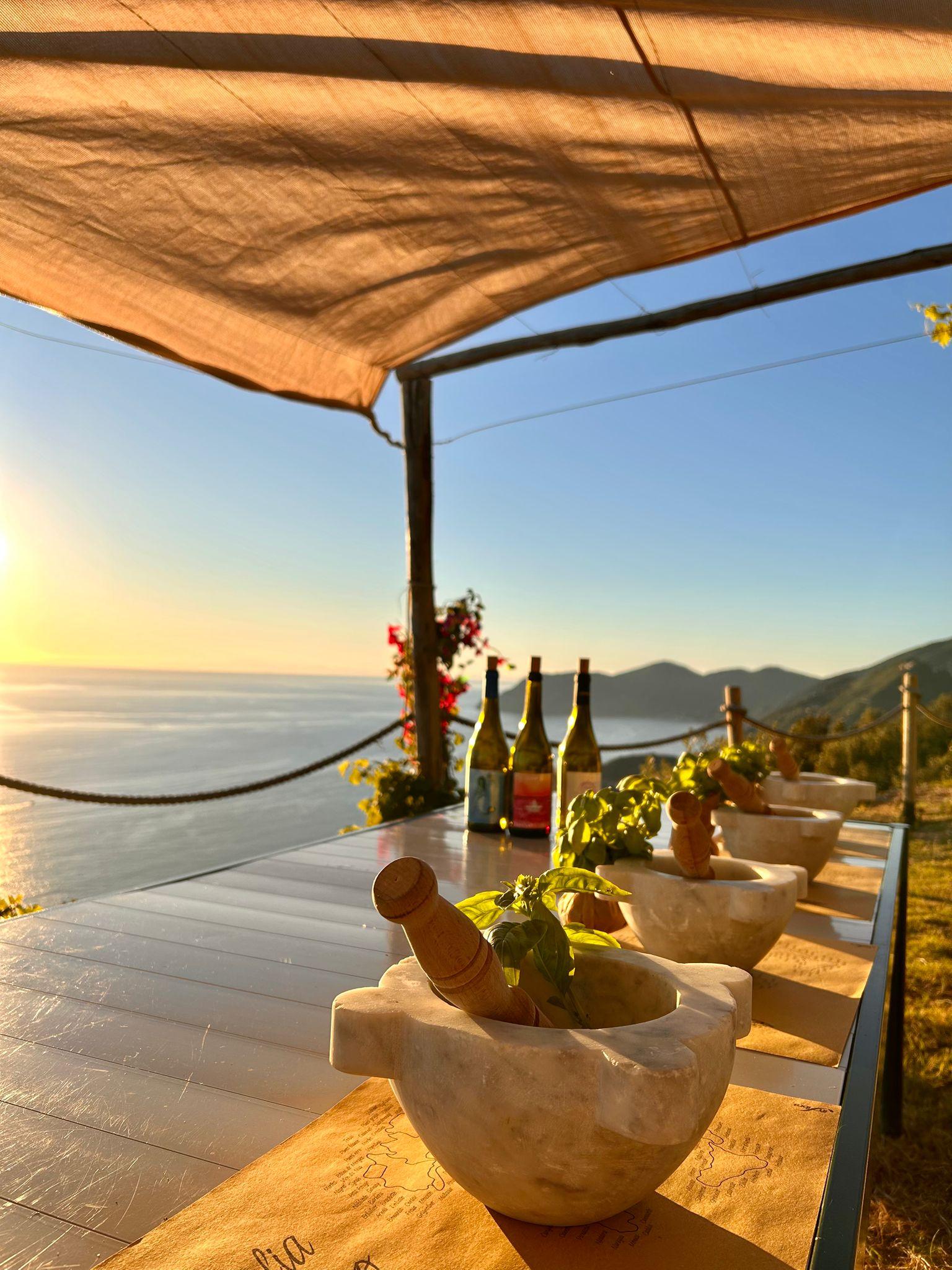
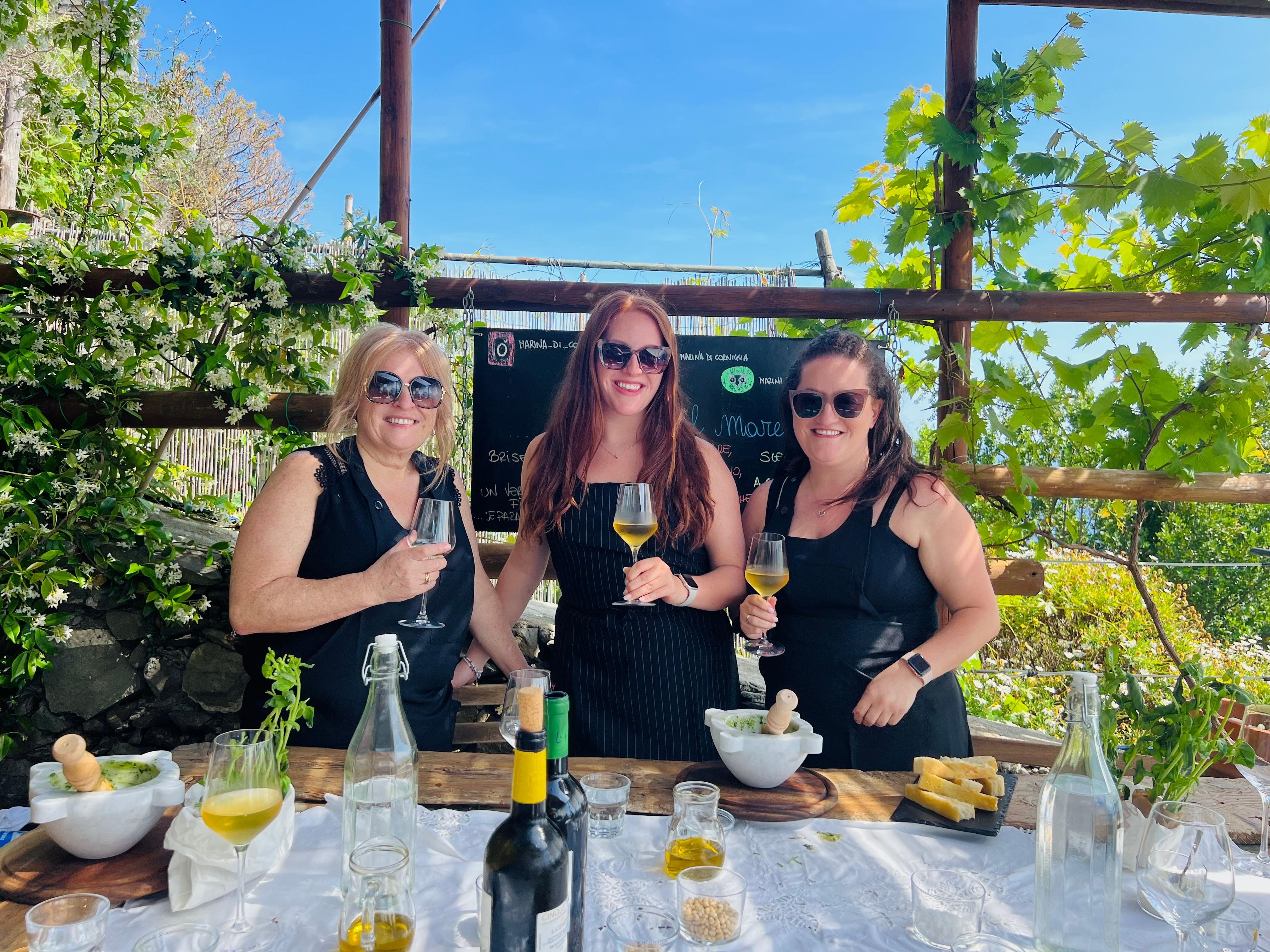
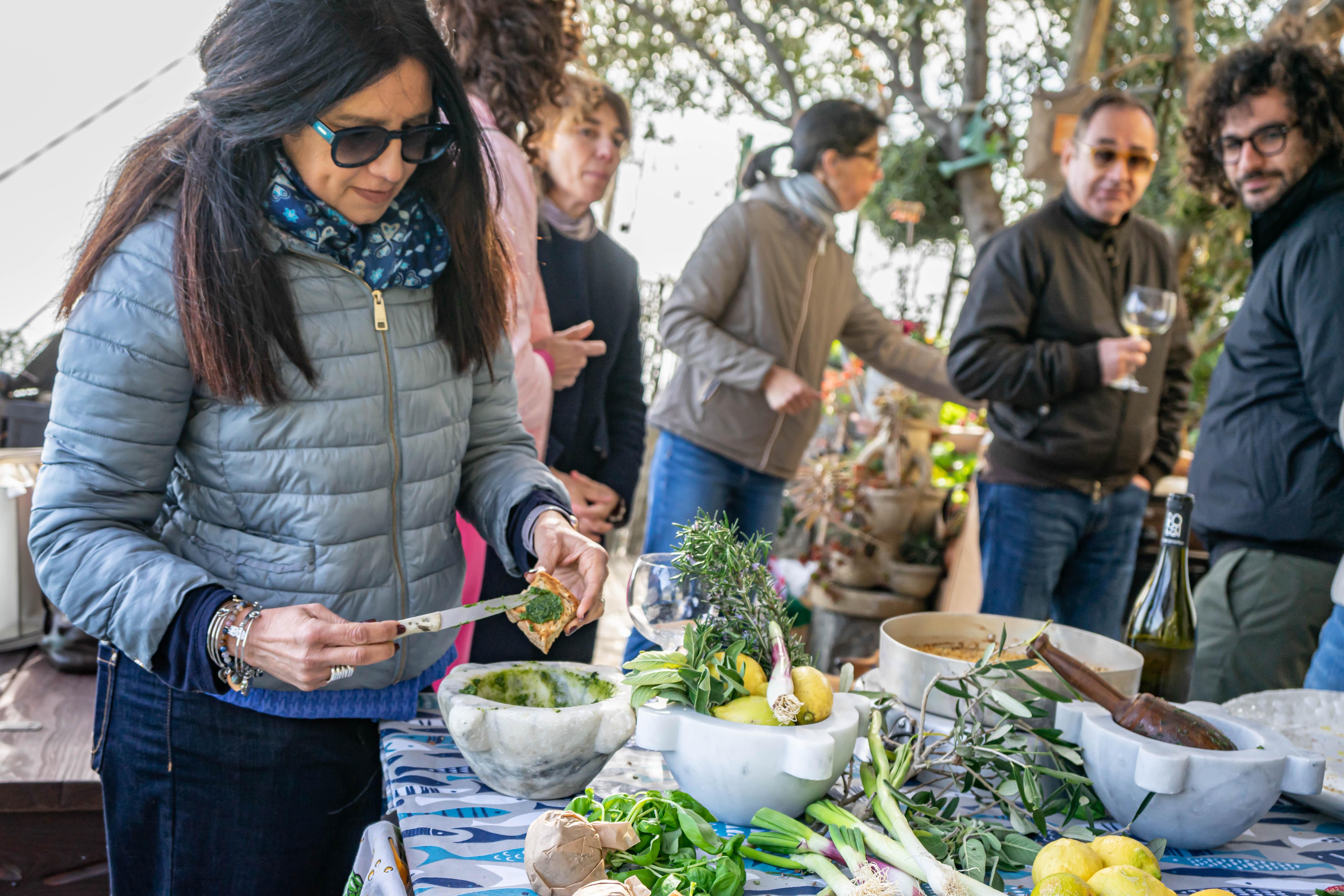
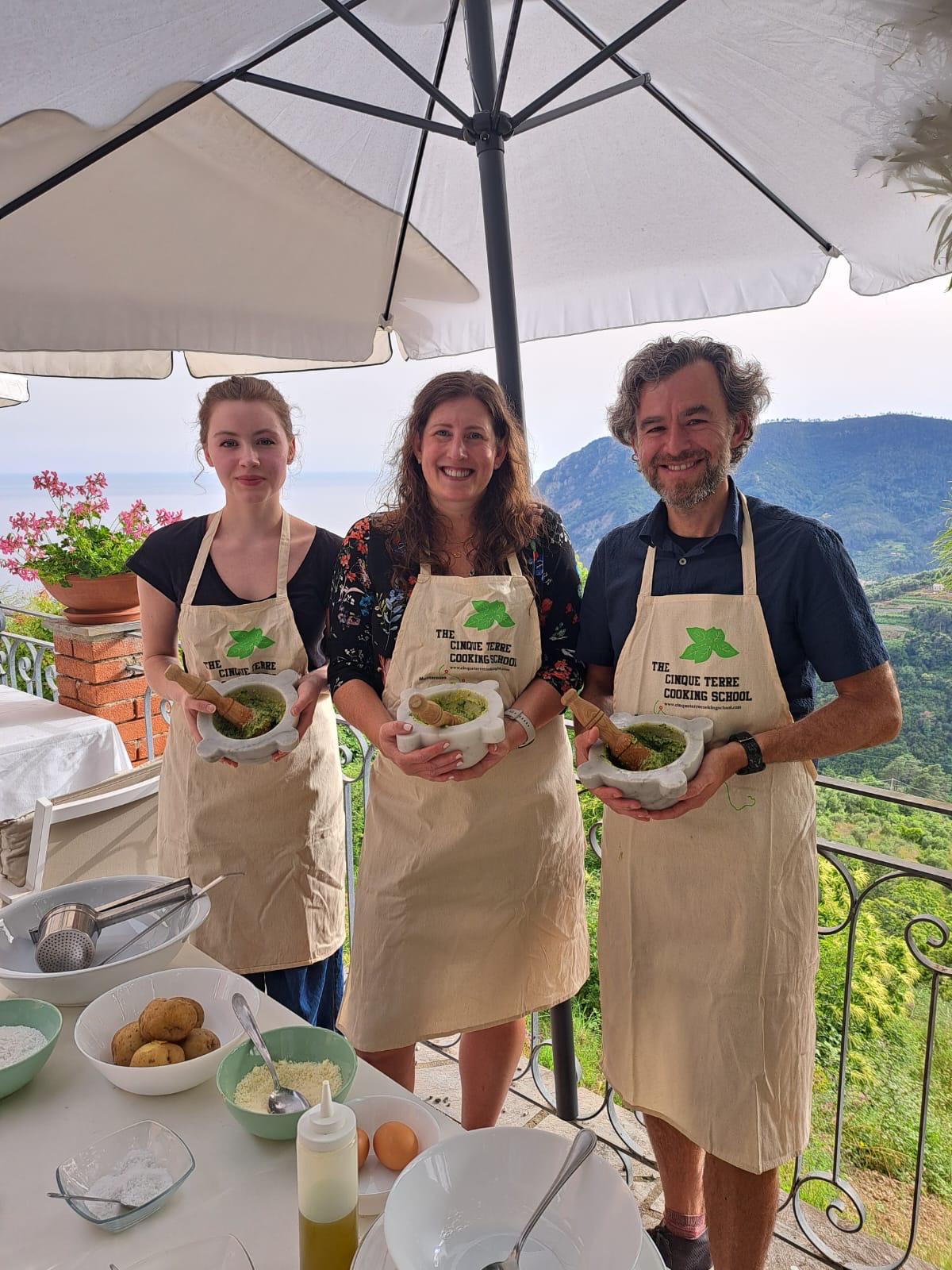
Master traditional Ligurian pesto using mortar and pestle on a stunning terrace above Cinque Terre's azure waters
2 hours
Free Cancellation
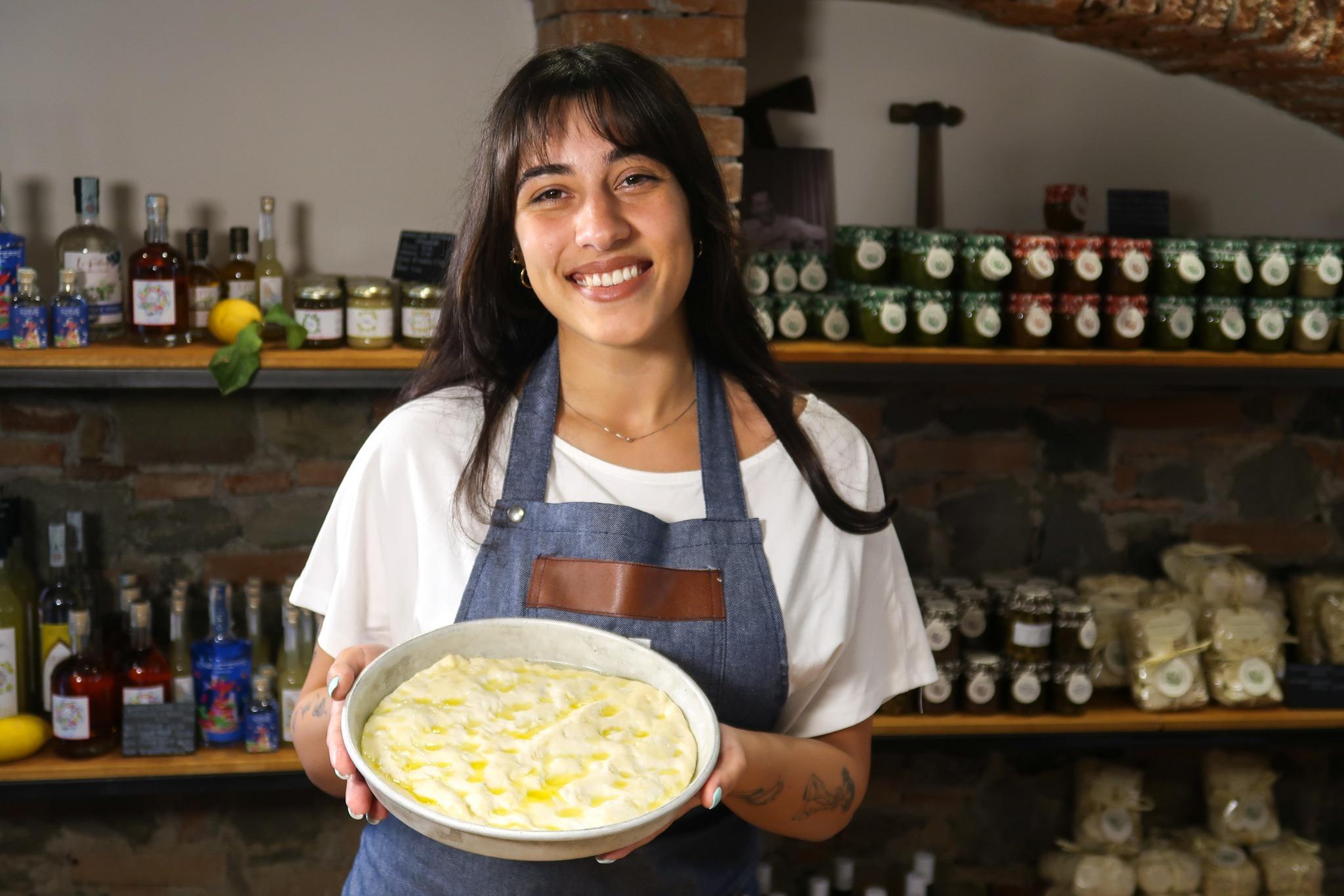
Master traditional Genoese flatbread and basil sauce in an intimate hands-on workshop with a local chef
1 hour
Free Cancellation
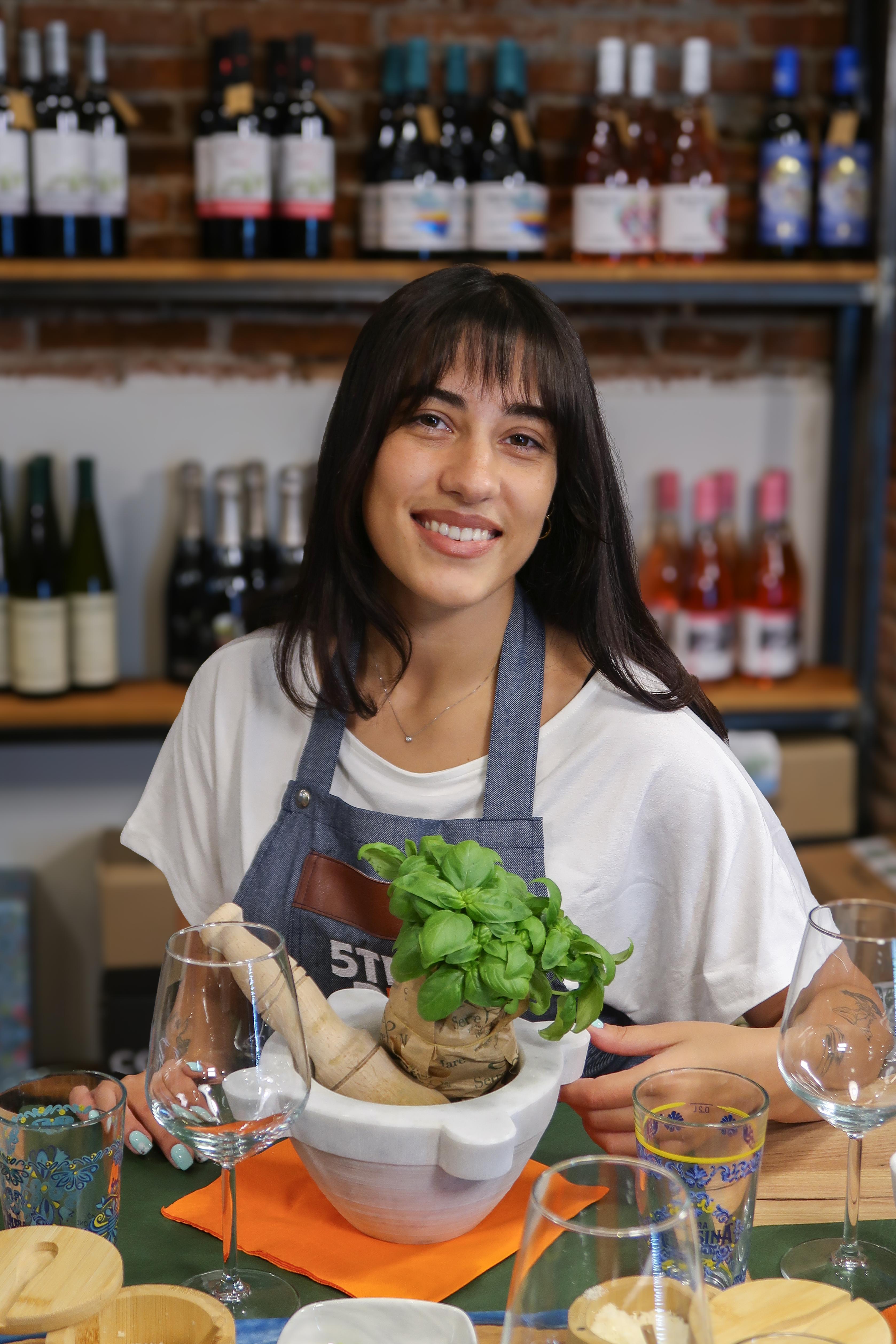
Craft authentic Ligurian pesto by hand with marble mortar and pestle, then pair it with local wine
2 hours
Free Cancellation
Master authentic Ligurian pesto in a scenic vineyard setting with a local chef and wine tasting
8 hours
Free Cancellation
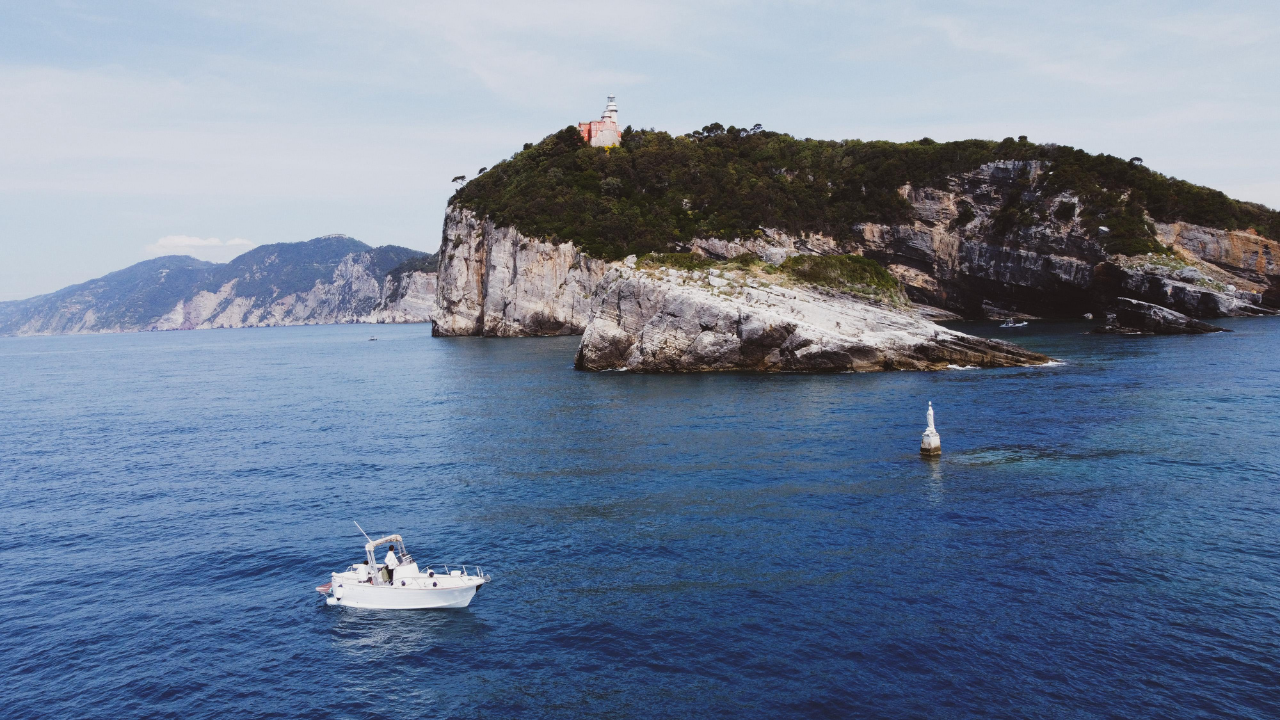
Master traditional pesto-making in a fishing village, then cruise the stunning coastline with aperitivo
1.5 hours
Free Cancellation
Craft authentic Ligurian pesto using marble mortar and pestle, then enjoy your creation with gnocchi and wine
Meet your chef and enjoy a welcome drink
Select fresh seasonal ingredients in the village
Prepare pasta and local specialties
Eat the meal with local wine
Learn to roll authentic trofie and tagliatelle by hand using local flour.
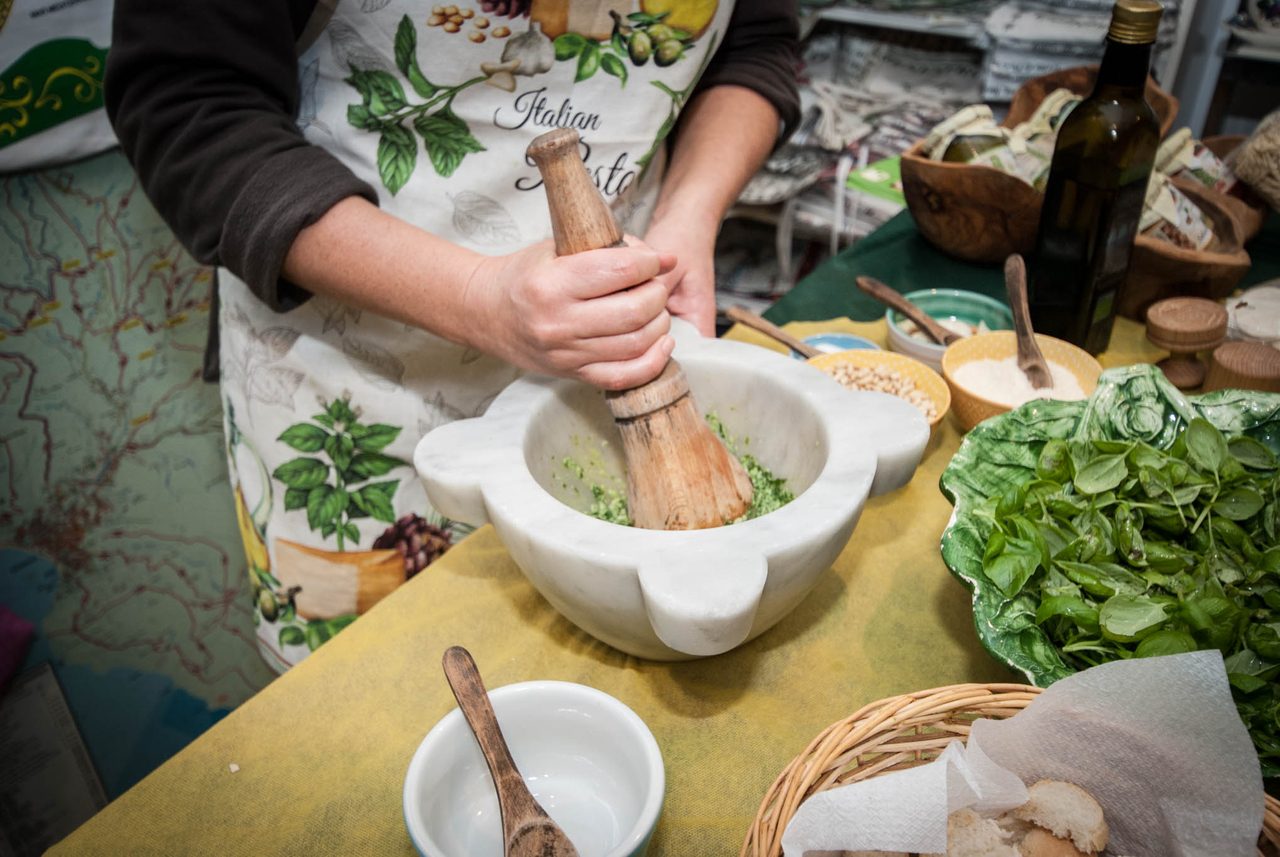
Master the mortar and pestle technique for genuine Ligurian basil sauce.
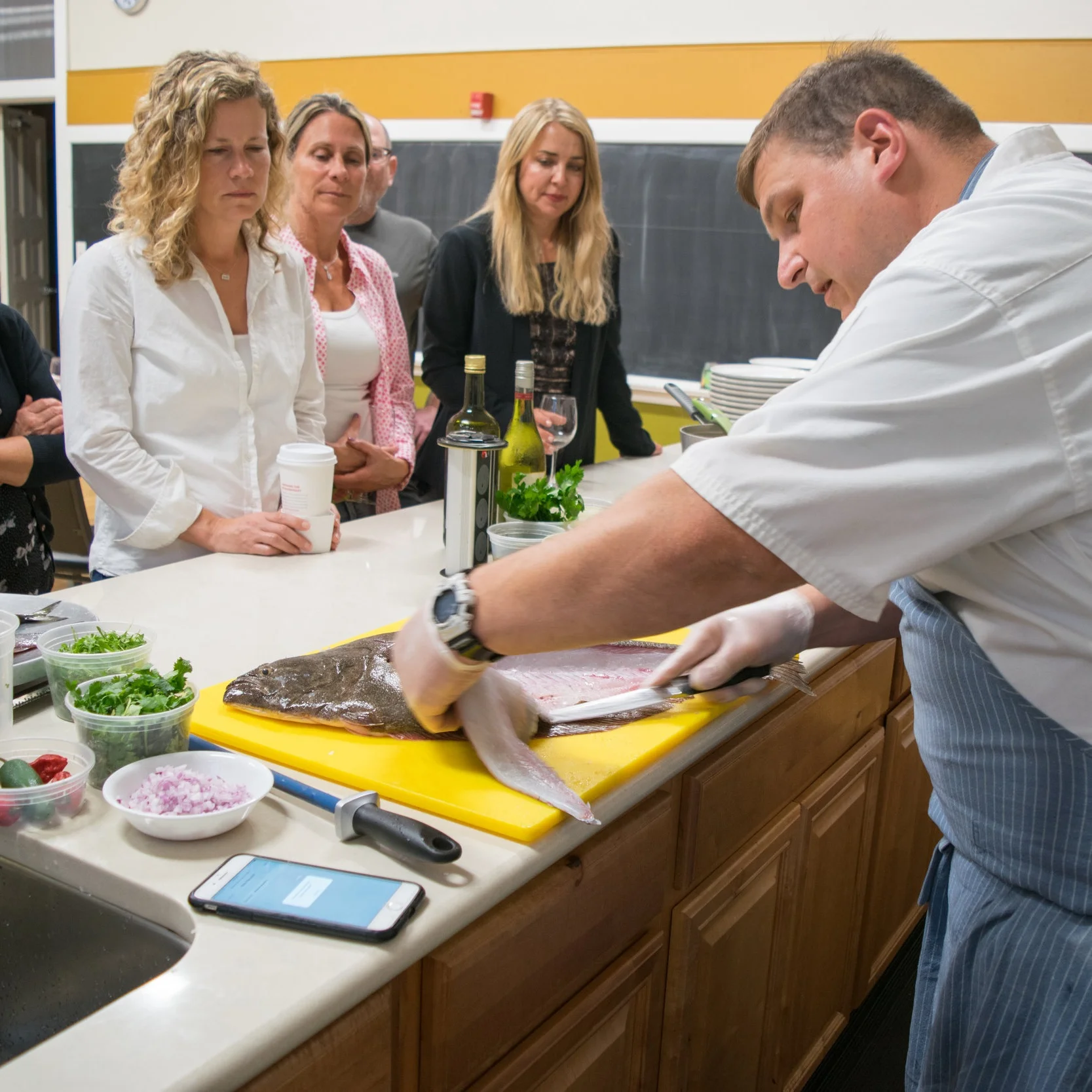
Create fresh coastal dishes using the daily catch from the Mediterranean.
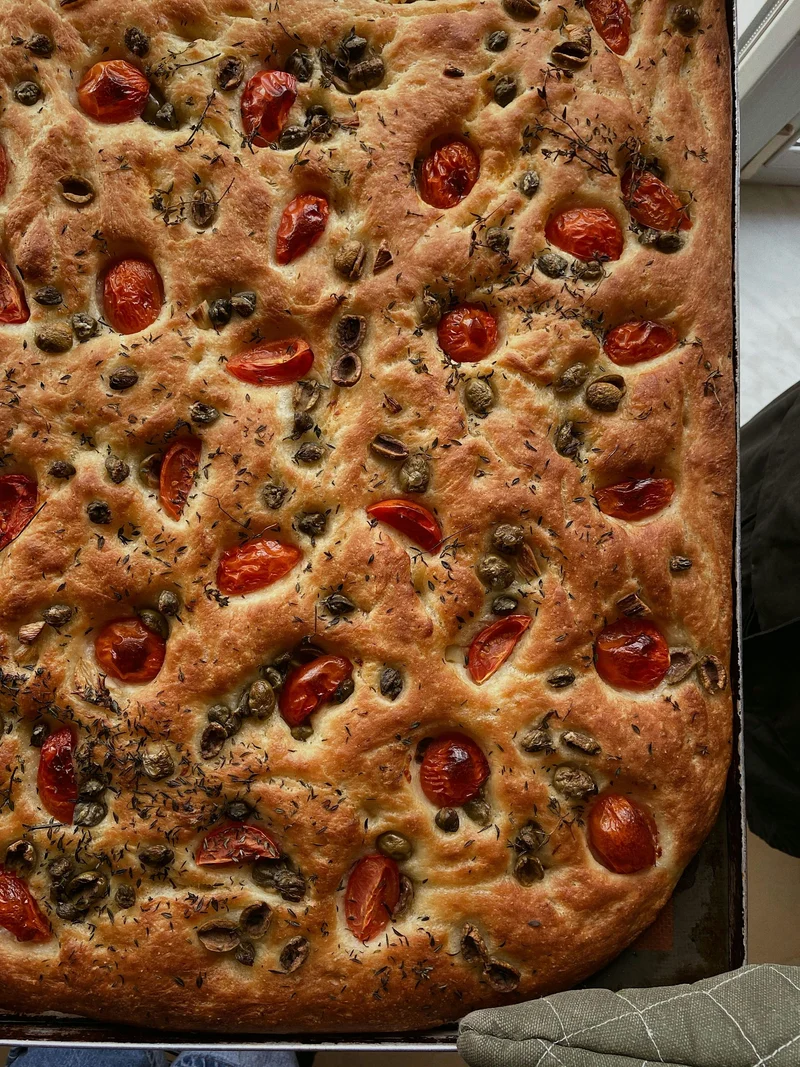
Discover the secrets of the airy, salted crust native to this region.
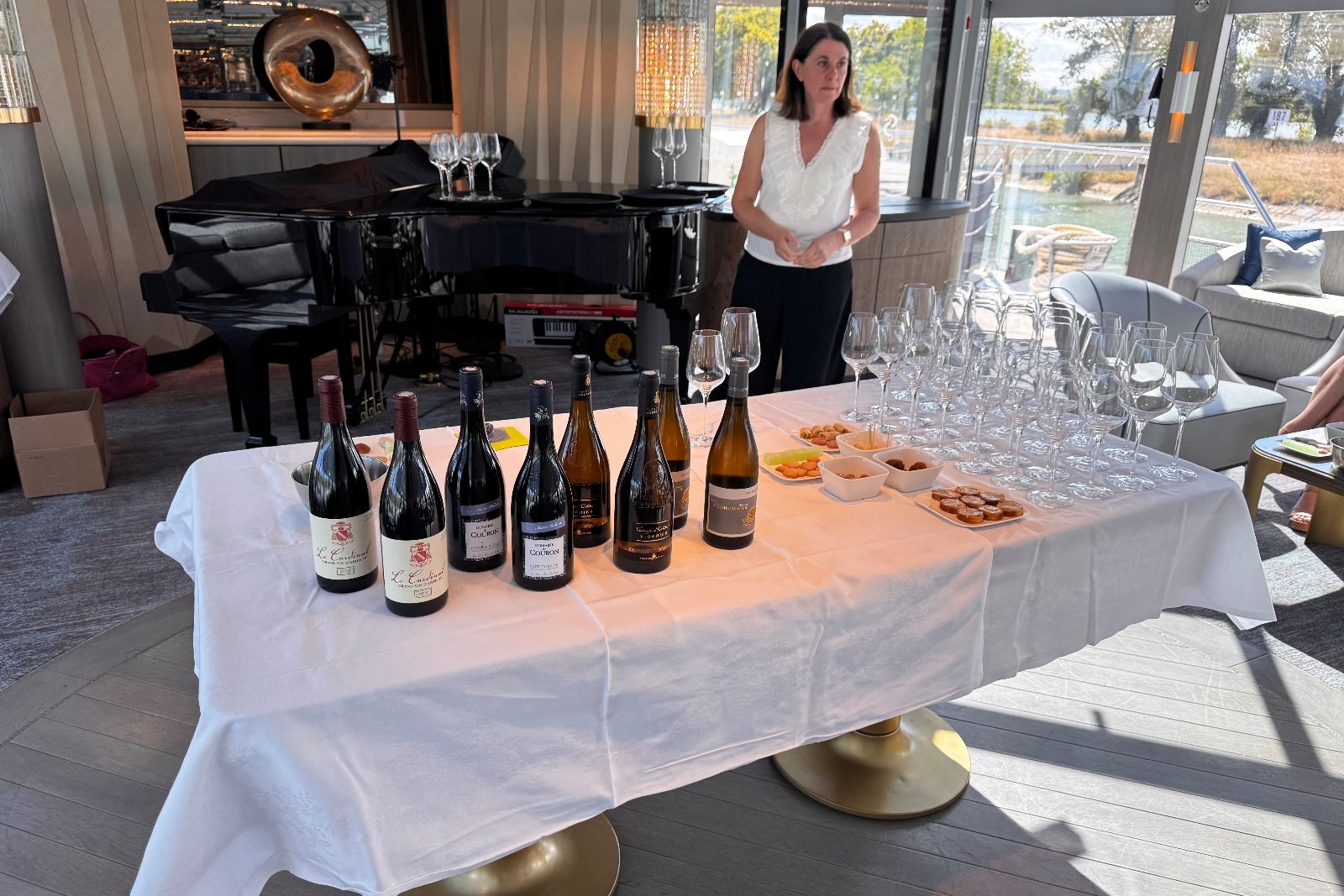
Understand how to match regional Cinque Terre wines with your prepared meal.
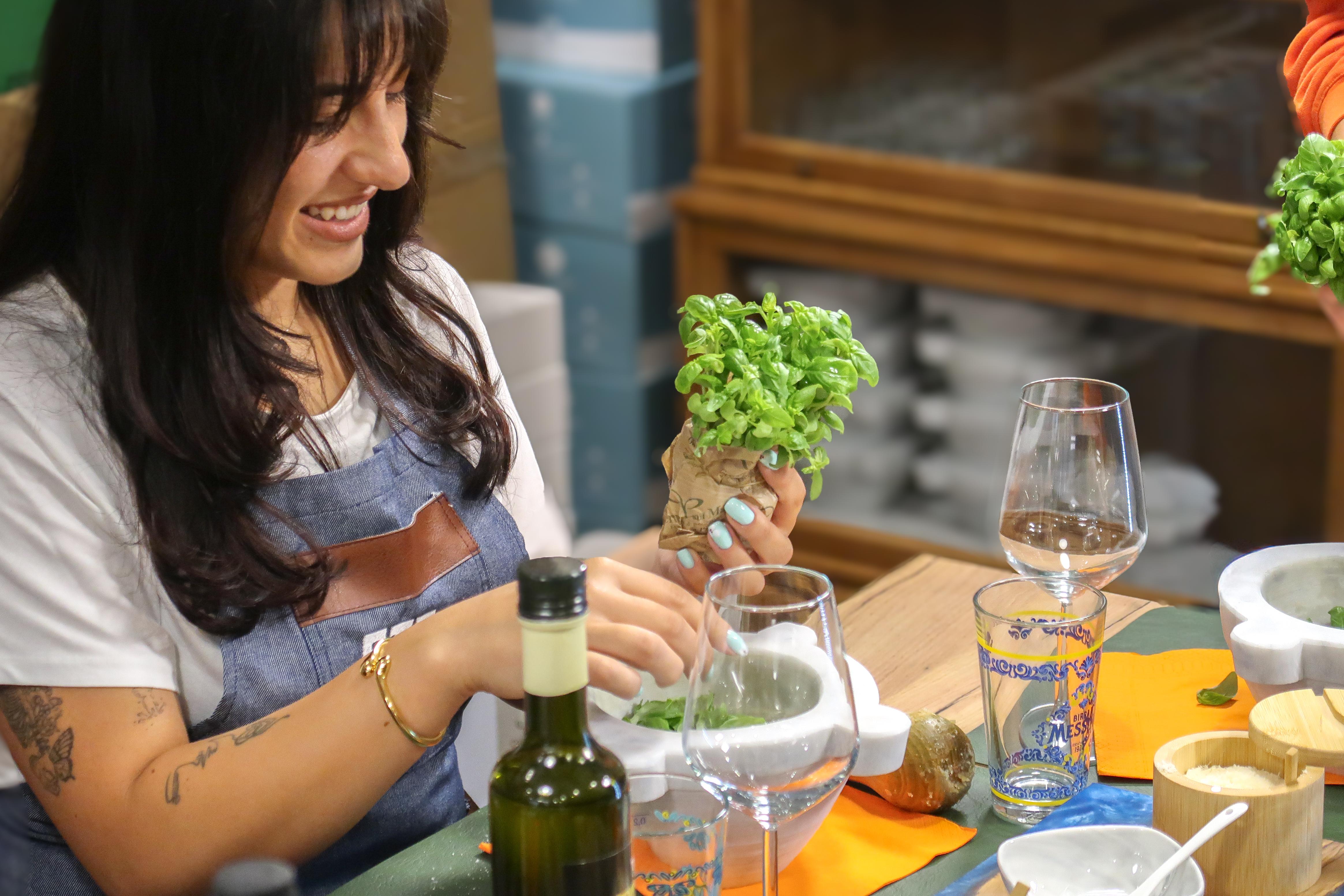
You step off the regional train and follow a host uphill through Riomaggiore's single stepped street, arriving between 09:00 and 17:00 depending on which session you chose. In the kitchen you tie an apron, wash a bunch of Genoese basil, and take a marble mortar in both hands.
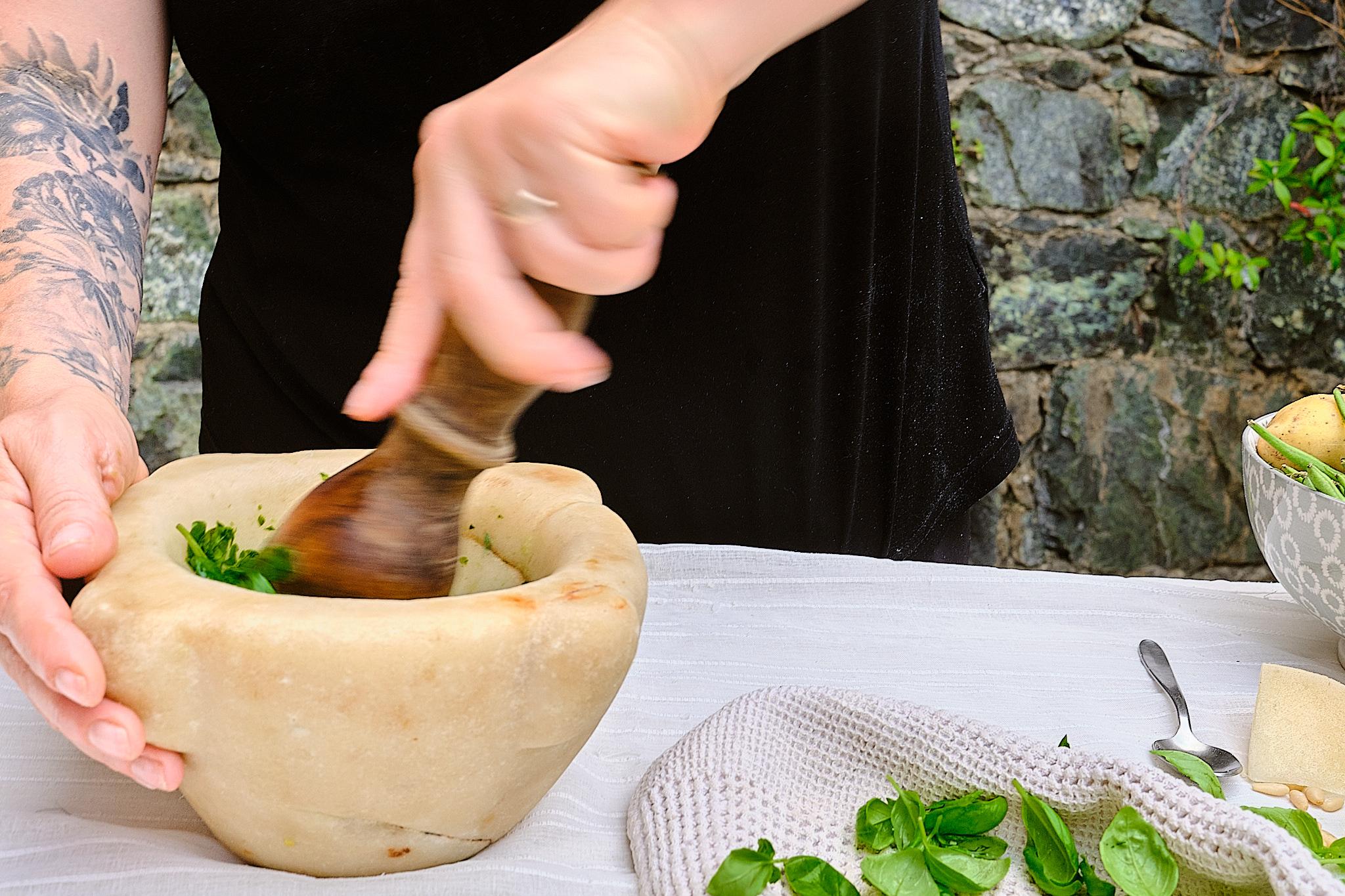
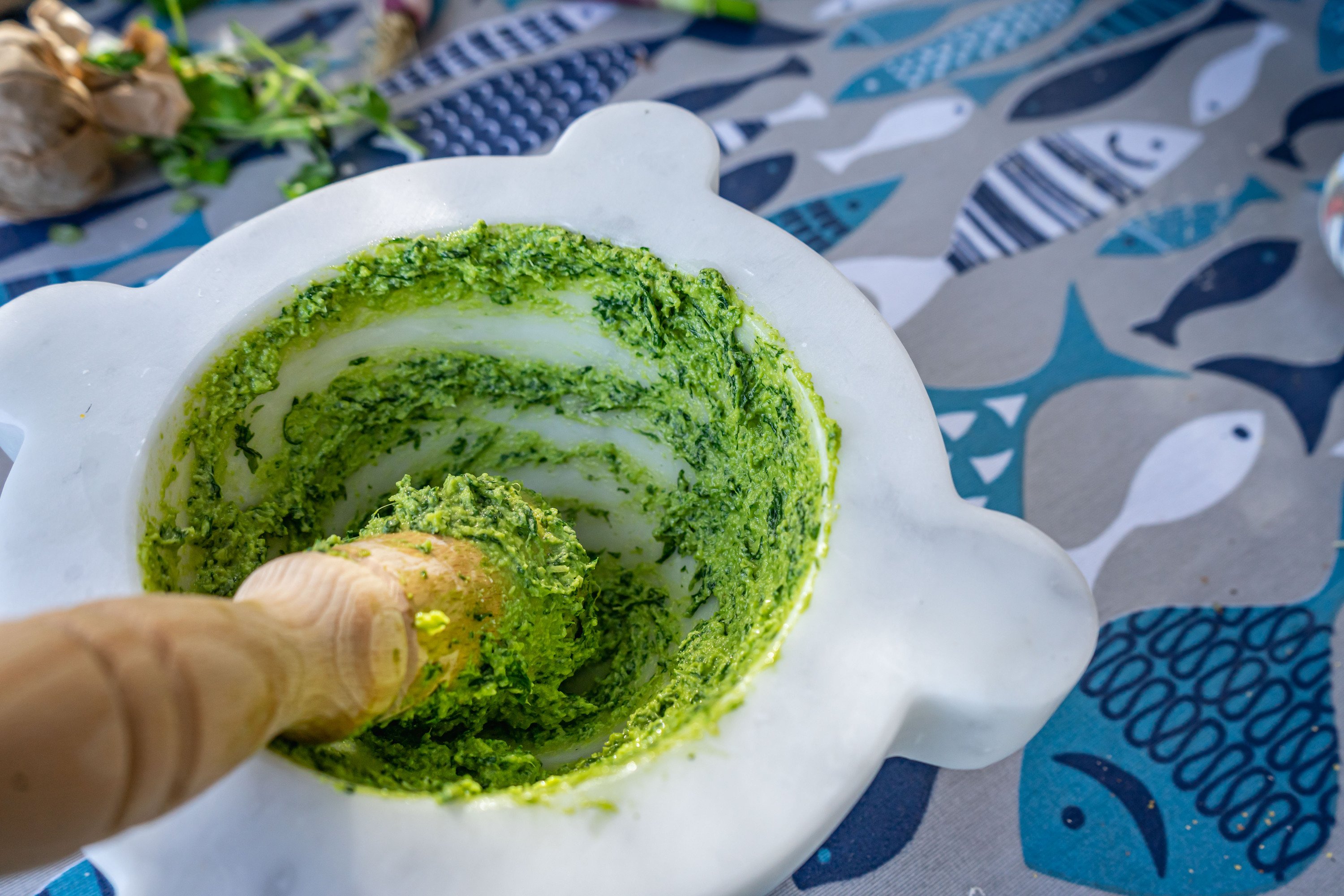
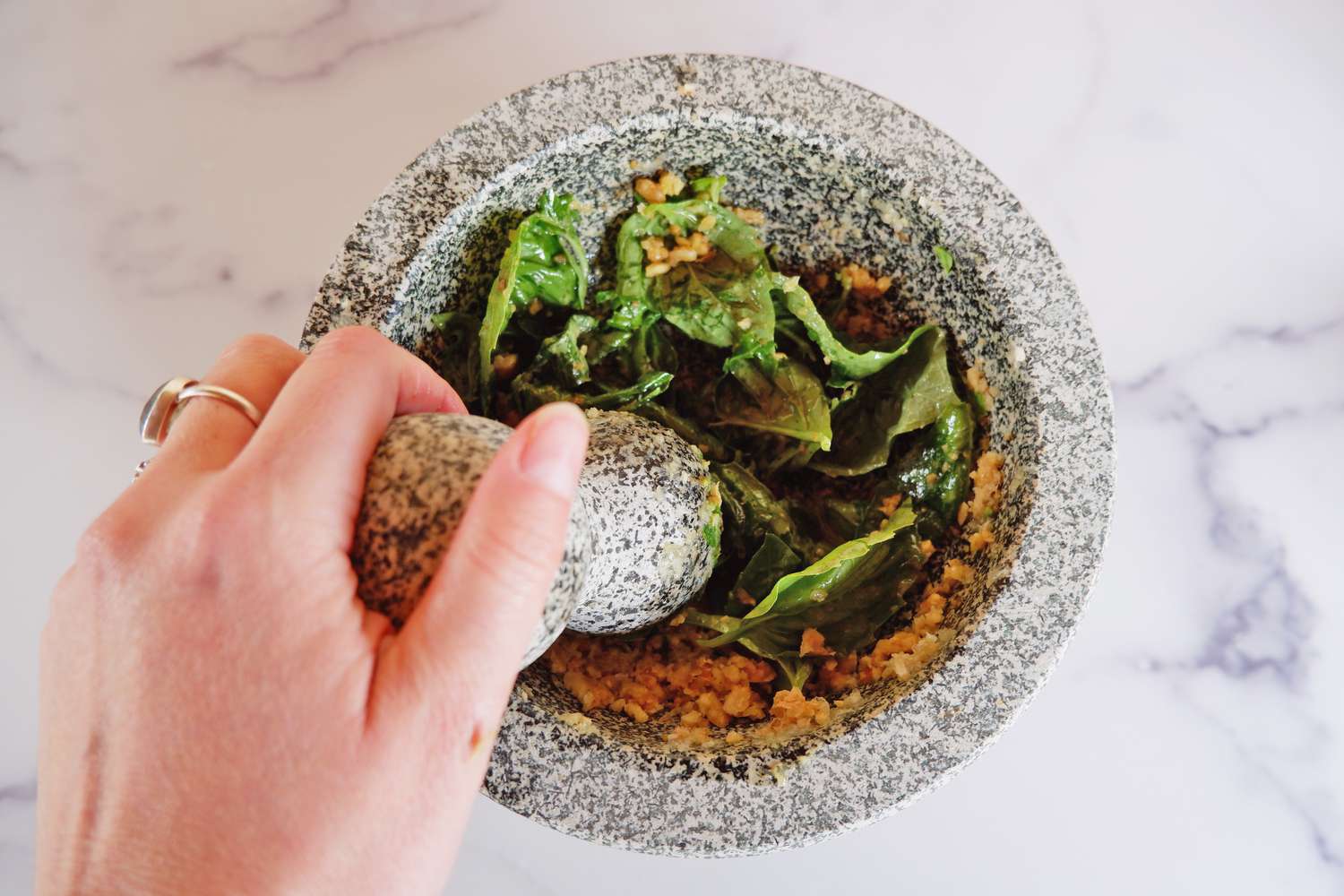
The host counts out the components: basil, pine nuts, garlic, coarse salt, Parmigiano, pecorino, olive oil. You grind in circles, not strokes. Ten minutes in, your wrist aches and the paste turns the colour of moss.
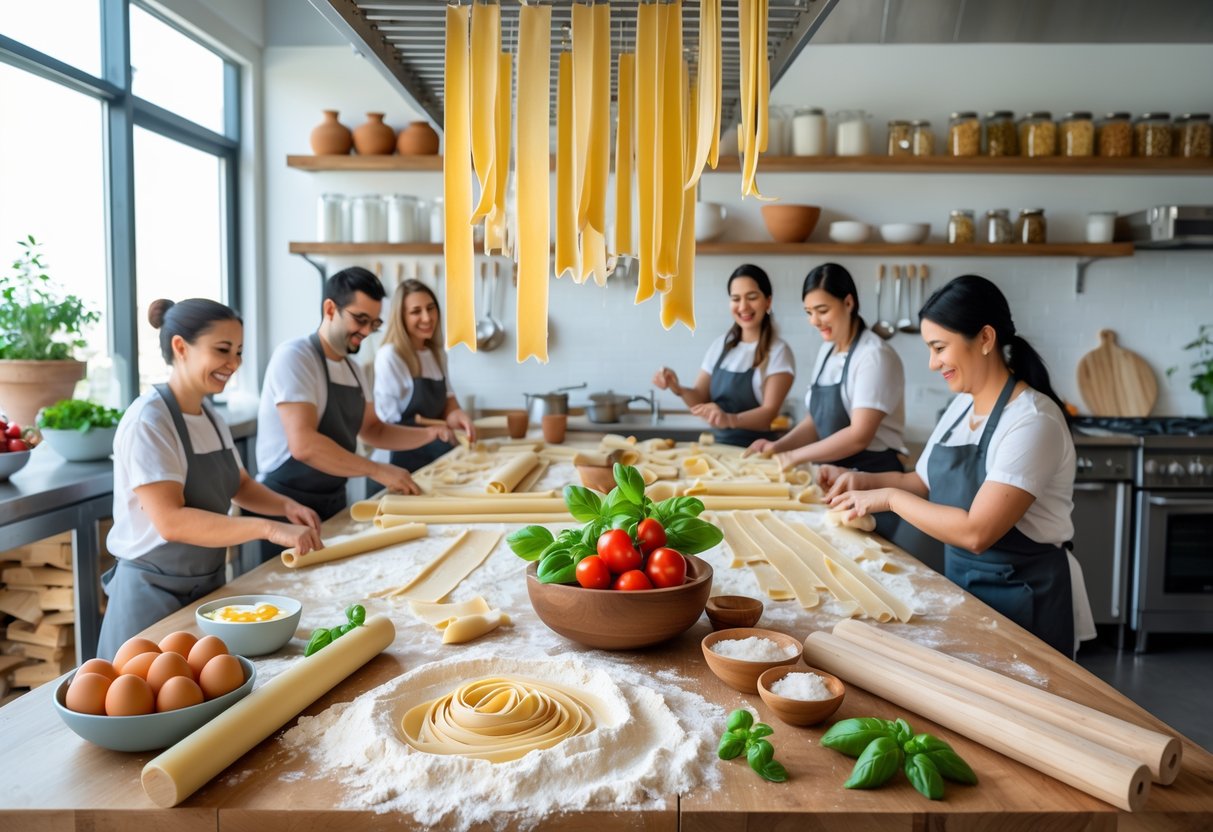
Then the dough. You mound flour, add water, and knead for eight minutes until the surface goes smooth. On a Ligurian pasta and pesto workshop in Levanto you roll trofie between your palms; on a gnocchi session you press each piece down a fork's tines. In Riomaggiore you may instead whip mascarpone, dip savoiardi in cooled espresso, and layer a tiramisu to chill.
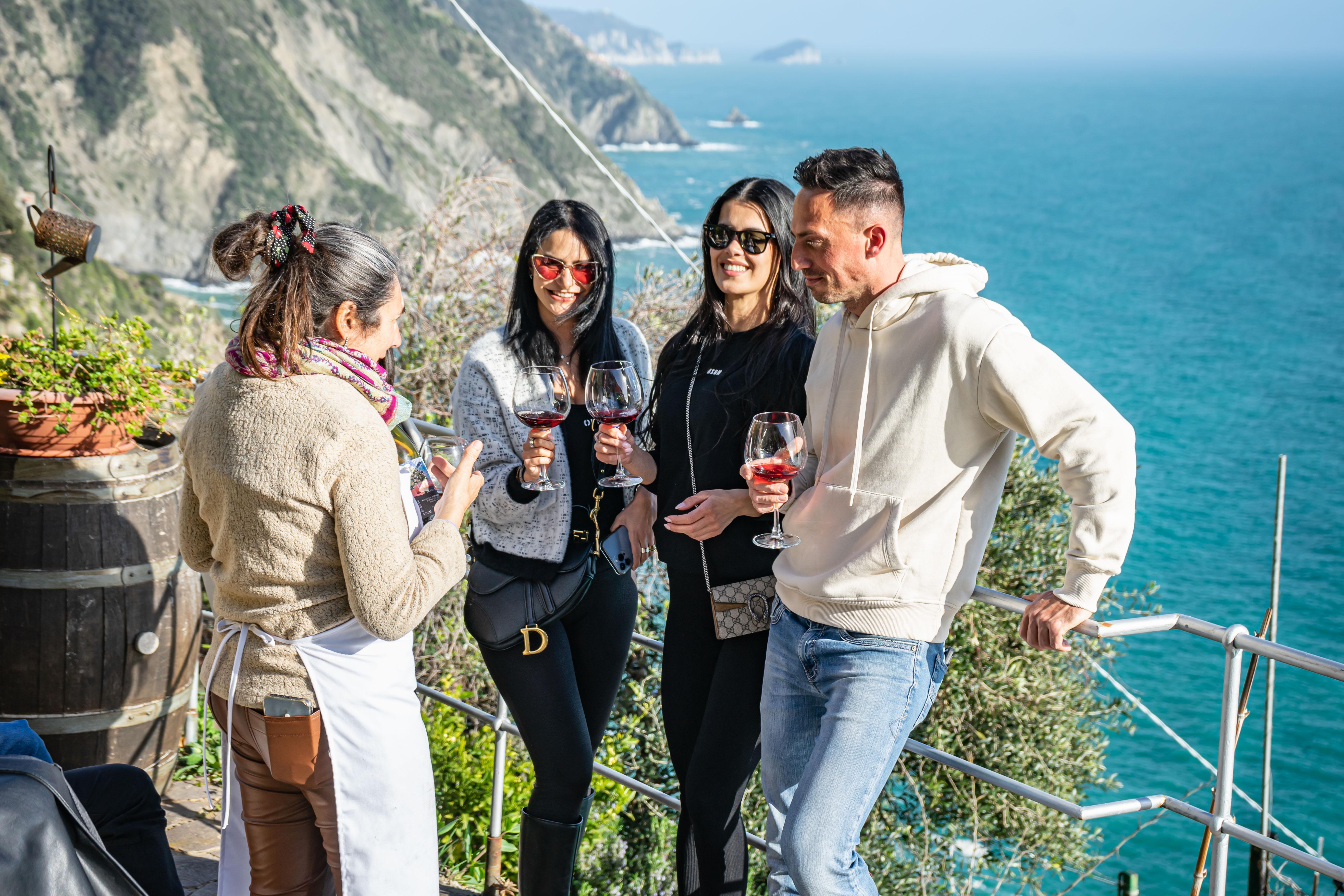
You sit and eat what you made. A glass of local white — Bosco, Albarola, Vermentino — comes with it, or a full tasting if you booked the BarCa winery option. Afterwards you walk back down to the harbour with flour still on your sleeve. Most cooking classes in cinque terre end early enough for a swim, and the recipe card fits in a pocket.
All the details about your upcoming adventure in one place
Genoese basil grown for pesto is protected by a DOP designation covering a narrow coastal strip of Liguria — the leaves must stay small, and must never smell of mint. That single rule explains much of what a visitor tastes here. Liguria is a region of almost no flat land.
Terraces cut into the cliffs above Riomaggiore, Manarola and Vernazza yield herbs, lemons, olives and grapes rather than grain or pasture, and the regional kitchen was built from that scarcity.
The result is a cuisine of green sauces, thin doughs and the sea. Trofie, trenette and testaroli developed as flour-and-water pastas requiring no eggs. Focaccia, salted and dimpled, became the everyday bread of the Ligurian coast. Anchovies from Monterosso — cured in salt, layered in glass — carry their own protected designation. The marble mortar and wooden pestle used in cooking classes in cinque terre are not decorative; the tool pre-dates the blade, and grinding rather than cutting is what keeps basil from oxidising into bitterness.
Wine belongs to the same terraces. The Cinque Terre DOC, established in 1973, covers dry white blends of Bosco, Albarola and Vermentino, alongside the rare passito Sciacchetrà, made from grapes dried on cane racks. The dry-stone walls that hold these vineyards run, by UNESCO's estimate, to thousands of kilometres — a landscape classified as World Heritage in 1997 precisely because it was made by hand.
That context matters to why a Ligurian cooking class reads differently from a generic culinary workshop. Kitchens here sit inside villages of stacked pastel houses reachable by regional train and coastal footpath, not inside purpose-built schools. Instruction happens in home kitchens in Riomaggiore, in a Levanto pasta laboratory, in a winery cellar at BarCa where tasting precedes the mortar. The syllabus extends past pesto: gnocchi rolled by thumb, fresh pasta cut by hand, tiramisu assembled with mascarpone and espresso.
Operators run privately, which is why the entrance fee at the destination itself is 0 EUR — the villages are free to enter, and cooking classes in cinque terre tickets are bought per session from the host rather than at a gate. Sessions across the five villages and neighbouring Levanto are offered daily, 09:00–18:00. Address, simply: Cinque Terre, Liguria, Italy. What survives here is not a museum of food but a working practice, still tied to terrace, mortar and salt.

The tool pre-dates the blade, and grinding rather than cutting is what keeps basil from oxidising into bitterness.
Casual and comfortable clothing is recommended for these cooking classes in cinque terre. Closed-toe shoes are suggested for safety while working in the kitchen.
Participants should arrive with minimal personal belongings. Most venues for cooking classes in cinque terre have limited space for large bags.
Photography is generally permitted during cooking classes in cinque terre. Please ask your instructor before recording video tutorials of proprietary techniques.
Family participation policies vary by operator. Check minimum age requirements for children joining your chosen cooking classes in cinque terre session.
Many traditional village kitchens in the region are located in historic buildings with narrow stairs. Confirm accessibility requirements with your provider when booking cooking classes in cinque terre.
Participants consume the meal prepared during the class. Notify your instructor of any dietary restrictions or allergies before your cooking classes in cinque terre experience.
Opening Hours
09:00–18:00
Address
Cinque Terre, Liguria, Italy
Inquire
Contact operator regarding mobility needs
Arrival
09:00–17:00
Storage
Not available at class venues
Public transport · Varies · Budget-friendly
Regional trains connect all five villages frequently.
Walk · Varies · Free
Coastal trails connect the towns for active travelers.
Full refunds are typically available for cancellations made at least 24 to 48 hours prior to the start time. Cooking classes are private commercial services, not public attractions, so please review specific operator terms regarding the 0 EUR entrance fee policy.
Recommended time
3-4 hours
Participating in cooking classes in cinque terre allows you to master regional recipes while escaping the peak afternoon heat. These culinary workshops provide an immersive experience, so reserving cooking classes in cinque terre tickets early is advised to secure your preferred session. Whether you seek local-language form lessons or English-led sessions, most hosts recommend booking cooking classes in cinque terre tour options during the morning to avoid the densest coastal pedestrian traffic. By afternoon, the villages see increased ferry arrivals, making the quiet workspace of a kitchen a strategic choice.
Crowd levels through the day
Weather · crowds · average price — dots go green to amber to red as each metric rises.
Mild temperatures and vibrant gardens make for comfortable outdoor market visits during cooking classes in cinque terre tours.
Expect warm weather and busy coastal paths, ideal for evening cooking classes in cinque terre tickets.
Harvest season brings fresh local olives and grapes to your cooking classes in cinque terre tour.
Cooler months offer a quieter, more personal experience when participating in cooking classes in cinque terre.
Reserve your cooking classes in cinque terre spot well in advance during the August peak season.
Submit dietary requirements at least 48 hours before your cooking classes in cinque terre tour.
Carry a reusable bottle as you navigate the steep village streets.
Sturdy footwear is essential for walking to the venue for your cooking classes in cinque terre tickets.
Always adhere to the instructions provided by your chef during your cooking classes in cinque terre session.
Piazza Vignaioli, Riomaggiore
Central location for many cooking classes in cinque terre tours
Get directionsVia Fegina, Monterosso
Easy access for coastal cooking classes in cinque terre tickets
Get directionsThe terraces came first. From the eleventh century onward, settlers on the Ligurian coast cut dry-stone walls — the muri a secco — into near-vertical slate. By the 1300s the Republic of Genoa taxed the wine those terraces produced. Food here was never decorative. It was what the rock allowed: basil, olives, anchovies, chestnut flour, a little grain hauled up by mule. The kitchen followed the geology. Several turning points reshaped that kitchen. Genoese trade brought pine nuts and hard cheese into common use, and the mortar-and-pestle sauce recorded in Giovanni Battista Ratto's 1863 cookbook *La Cuciniera Genovese* fixed a household habit into a written recipe. Sciacchetrà, the passito wine dried on cane racks, sustained the villages through poor harvests. The near-disaster came slowly: after 1945, emigration and factory work at La Spezia emptied the terraces, and thousands of hectares reverted to scrub. The flood of 25 October 2011 buried much of Vernazza and Monterosso in mud, destroying walls that had held for six centuries. Recovery brought an unexpected consequence. UNESCO listing in 1997 and the creation of the Parco Nazionale delle Cinque Terre in 1999 tied conservation funding to working agriculture, and local families began teaching visitors rather than only feeding them. That is the lineage behind cooking classes in cinque terre today — a transmission of technique, not a performance of it. Sessions run within the 09:00–18:00 daily window across the five villages, with Cinque Terre, Liguria, Italy as the meeting geography and no entrance fee, since these are private commercial services rather than public sites. What survives is broader than one green sauce. Focaccia, anchovy curing at Monterosso, chestnut desserts, seafood from the same waters — the current cooking classes in cinque terre tours, alongside a Cinque Terre culinary tour or single cooking classes in cinque terre tour, carry them forward. Booking details and cooking classes in cinque terre tickets appear in the grid below.
Settlers begin terracing the coastal slopes with dry-stone walls, creating the farmland that defines local cuisine.
The Republic of Genoa taxes wine from the Cinque Terre terraces, formalising the area's agricultural economy.
Giovanni Battista Ratto publishes La Cuciniera Genovese in Genoa, recording Ligurian household recipes in print.
Emigration and industrial work at La Spezia empty the terraces, and large areas of cultivated land revert to scrub.
UNESCO inscribes the Cinque Terre and Portovenere on the World Heritage List.
The Parco Nazionale delle Cinque Terre is established, linking conservation funding to working agriculture.
The flood of 25 October devastates Vernazza and Monterosso, destroying terrace walls standing for centuries.
Family-run kitchens across the five villages teach visitors daily between 09:00 and 18:00.
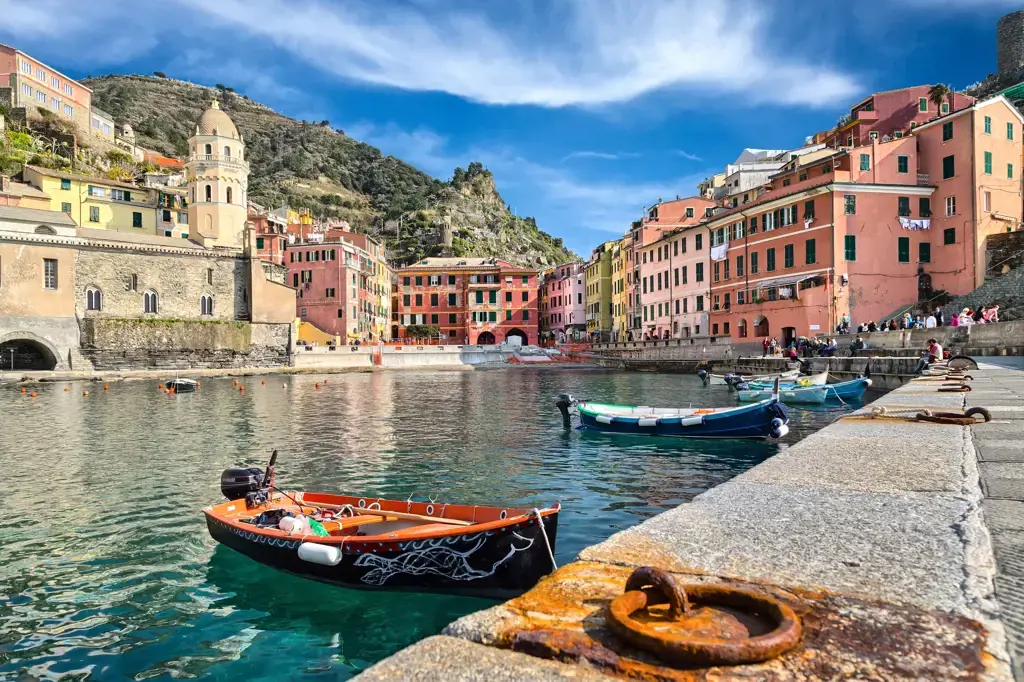
Stand at the edge of the harbor wall for a wide view of the colorful houses stacked above the water. This vantage point captures the essence of coastal Mediterranean life often highlighted in cooking classes in cinque terre tours.
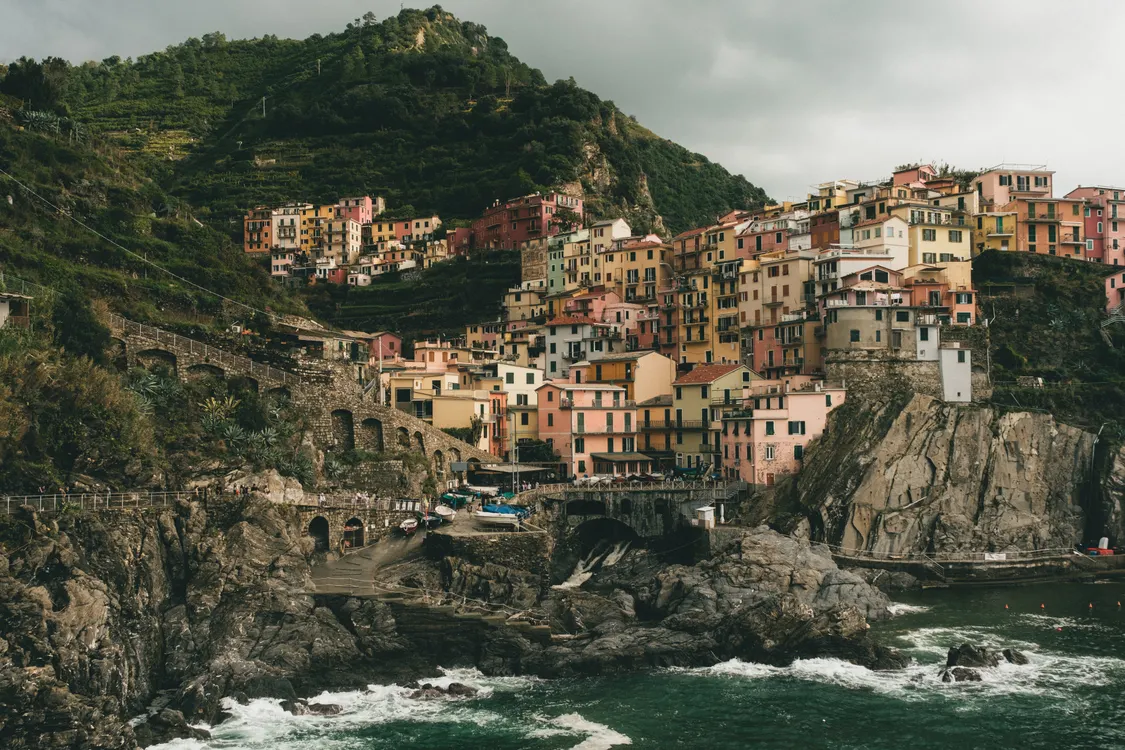
Position yourself on the cliffside path looking back toward the village for the classic panorama of buildings clinging to the rock. It is a preferred spot for photographers capturing Ligurian architecture during cooking classes in cinque terre tour sessions.
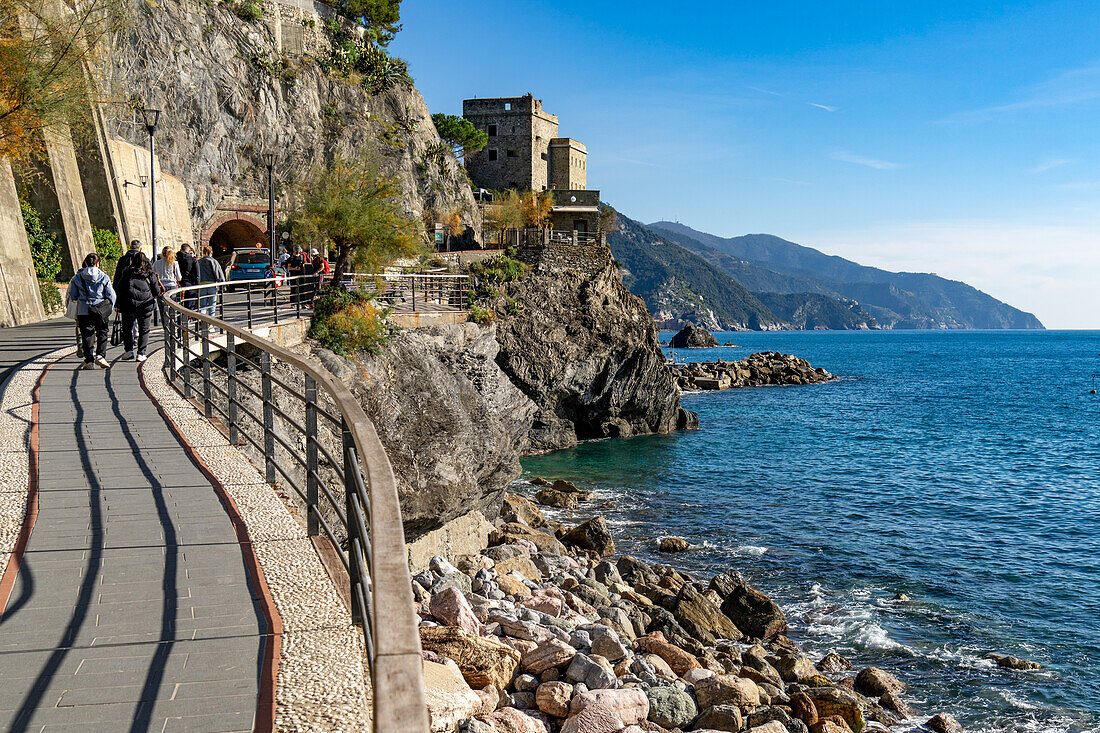
Find a clear angle along the seaside walkway to photograph the contrast between the turquoise sea and the village terracotta facades. This area offers a relaxed atmosphere for those documenting their cooking classes in cinque terre tickets experience.
Walk to the main viewing platform for an elevated perspective overlooking the vineyards and the coastline. The wide aperture view provides a sense of scale for your culinary workshops.
Participating in cooking classes in cinque terre allows families to experience local culinary traditions in intimate, home-style settings. These private sessions offer a hands-on way to engage children with fresh Ligurian ingredients and artisanal techniques.
Most village kitchens are compact and historic, so leave bulky strollers at your accommodation and use a carrier instead.
Children aged six and older often enjoy the tactile tasks of kneading pasta dough or crushing basil for pesto in these cooking classes in cinque terre tours.
When securing your cooking classes in cinque terre tickets, notify the operator of your children's ages so they can prepare appropriate stools and workstations.
Inform the chef of any allergies during the booking process, as these local culinary workshops use fresh produce and nuts that require careful handling.
Morning sessions are generally more suitable for younger participants who perform better after a restful night before starting their cooking classes in cinque terre tour.
Visitors participating in cooking classes in cinque terre often find themselves immersed in local culinary traditions, with excellent dining choices available just steps away. Whether you are seeking a fresh seafood lunch or artisanal gelato, the nearby streets offer convenient spots to complement your hands-on culinary workshops.
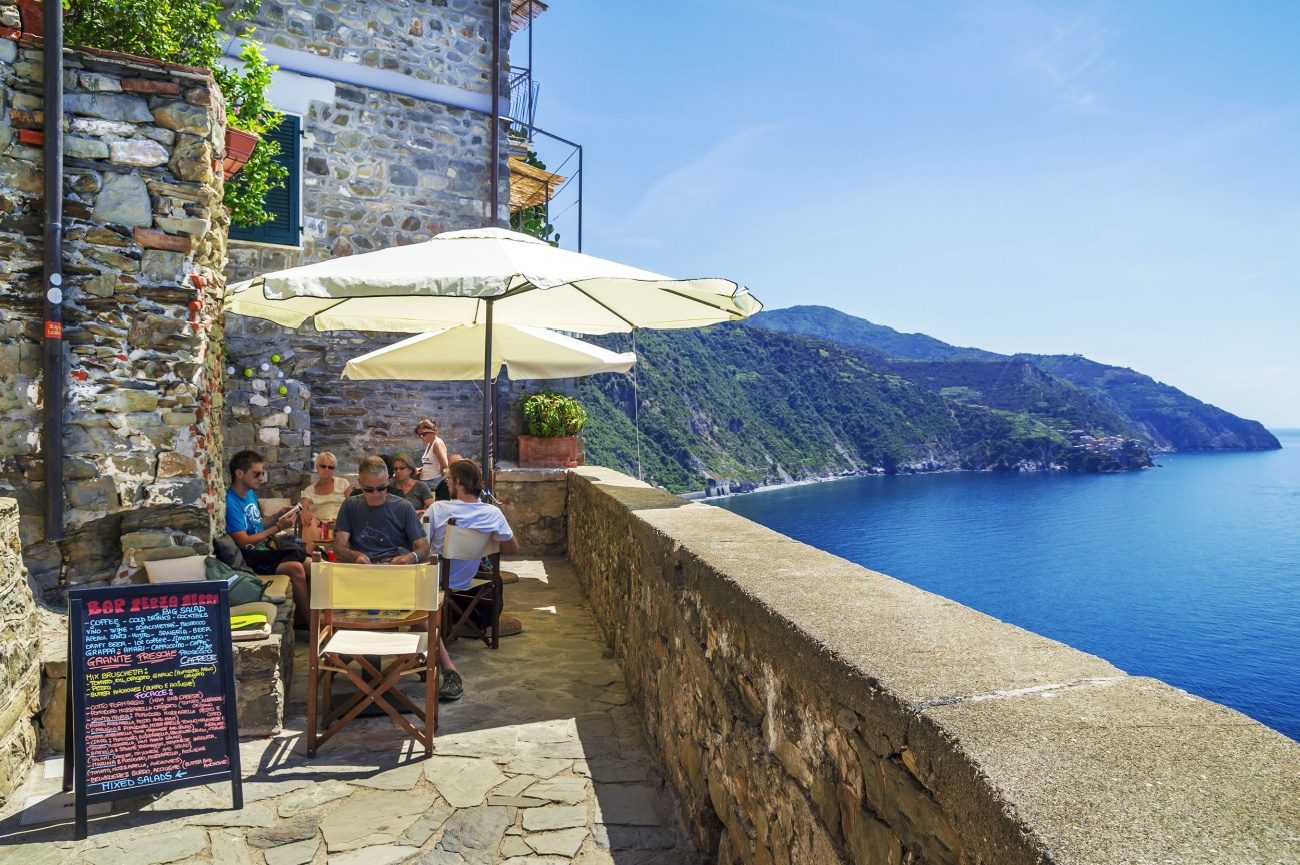
Located overlooking the harbor, this spot is ideal for light bites and regional wines after booking cooking classes in cinque terre tours. Expect regional charcuterie and bruschetta served with panoramic sea views.
This shop is a favorite for those completing cooking classes in cinque terre tickets and seeking high-quality, house-made flavors. It is perfect for a quick, cooling treat during your afternoon session.
A well-regarded establishment for anyone finishing a cooking classes in cinque terre tour, specializing in fresh catch and handmade pasta. Reservations are recommended as it remains popular with locals and travelers alike.
Everything you need to know for your journey
Most operators offer sessions between 09:00 and 18:00 daily.
Accessibility varies, so please confirm specific venue details for your chosen cooking classes in cinque terre.
The entrance fee is 0 EUR, as these are private commercial services.
Wear comfortable, casual clothing and closed-toe shoes suitable for kitchen environments during your cooking classes in cinque terre.
Many operators welcome families, but please check the age requirements for specific cooking classes in cinque terre tickets.
Yes, you can capture your cooking classes in cinque terre tour, but please ask your chef before filming techniques.
The best time for cooking classes in cinque terre is during the shoulder seasons of spring and autumn for milder weather.
Most venues for cooking classes in cinque terre are easily reached by regional train or walking within the villages.
Yes, all fresh ingredients and kitchen equipment are included in your cooking classes in cinque terre registration.
Famous hiking trail offering sea views.
Historic architecture in the heart of Riomaggiore.
Ancient fortress overlooking the harbor area.
Iconic cliffside statue in Monterosso.
Stays located in the historic village center.
Beachfront properties with high-end amenities.
Convenient transit hub for various regional tours.
Join thousands of happy travelers who have discovered this incredible experience
Book Your Experience Now